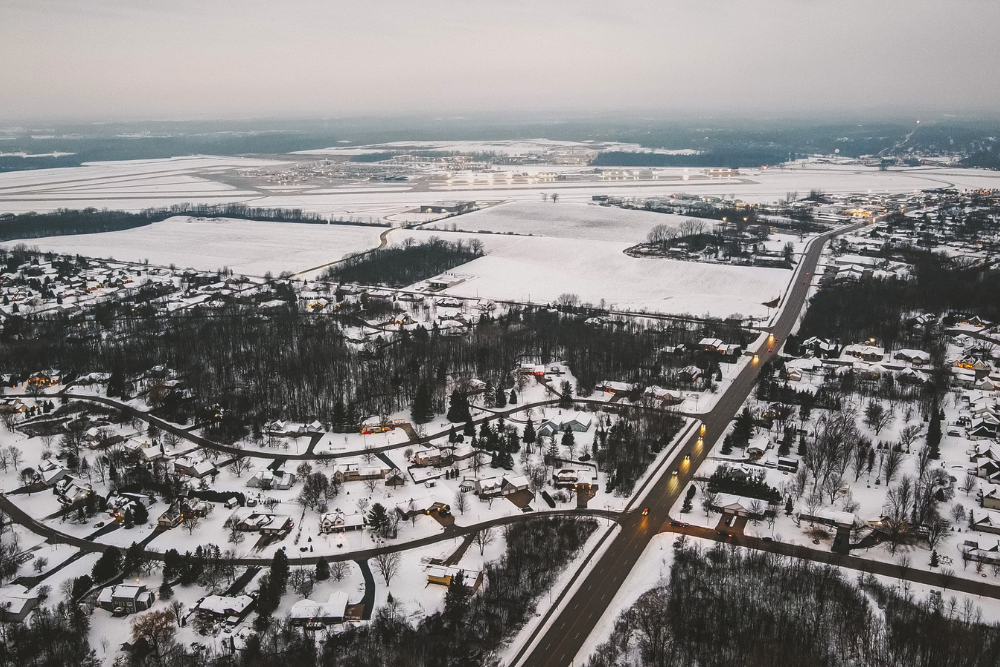
Wisconsin Winter Trucking: 7 Things to Check Before the Snow Flies
Wisconsin winter trucking is not optional, and it is not something you can wing. Snow, ice, and sub-zero temperatures are coming whether your truck is ready or not, and the trucks that break down mid-winter are almost always the ones that skipped a pre-season check. A few hours spent going over your truck now can save you days of downtime later, not to mention the safety risk of a failure on an icy road in January.
The trick is knowing what to check and in what order. Some systems fail faster than others once winter conditions set in, and going through your truck in that order gives you the clearest picture of where you actually stand. That is exactly what this checklist does.
Below are seven things to check before the snow flies, starting with the systems that tend to fail first once cold, salt, and moisture start working against your truck. We will cover suspension, brakes, air systems, wheel ends, driveline, tires and chains, and cab comfort, in that order.
By the time you get through this list, you should have a clear sense of what your truck is ready for and what needs a shop visit before winter really sets in.
Is Your Suspension Ready For Wisconsin Winter Trucking?
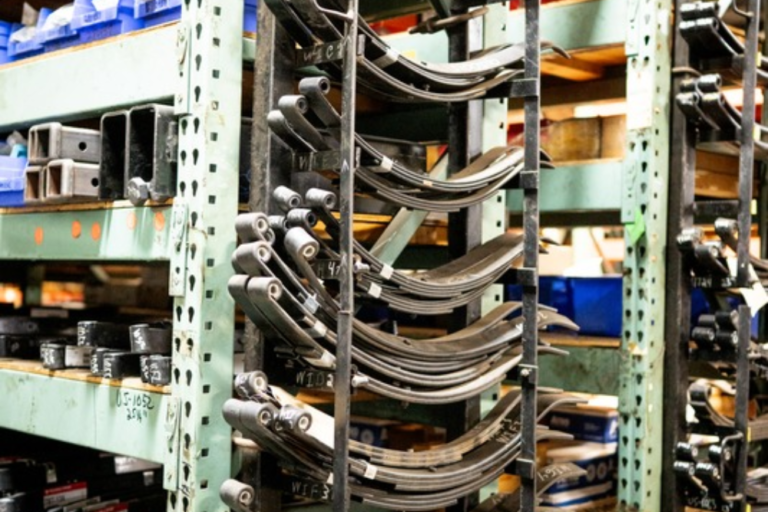
Suspension is usually the first system to show trouble once winter hits, which is why it tops this list. Road salt speeds up corrosion on leaf springs, U-bolts, shackle pins, and hangers, and any wear that started small in the fall gets worse fast once salt and moisture are in the mix daily. A stiff shackle pin or a slightly worn spring hanger in November can seize up or fail outright by February.
Before winter sets in, have your suspension inspected for pitting, cracking, or stiffness in moving parts. Check that shocks, air bags, and cab shocks are holding up and not leaking. If anything is showing early wear now, replacing it before the season starts is a lot simpler than dealing with a failure on a snowy road later.
Is Your Brake System Ready For Icy Wisconsin Roads?
Your brake system needs to be fully dependable before winter, since stopping distances already get longer on snow and ice even with everything working perfectly. Check your brake drums and shoes, or rotors and pads, for wear, and make sure brake chambers, S-cams, and bushings are moving freely without sticking.
Also inspect brake lines and fittings for any cracking or corrosion, since cold temperatures make rubber and older lines more likely to fail. If your DOT inspection is coming up around the same time, this is a natural point to have your brake system checked as part of that visit rather than as a separate trip.
Is Your Air System Ready For Cold Wisconsin Temperatures?
Air systems take a real hit in cold weather, and a small air leak that was easy to ignore in summer can turn into a real problem once temperatures drop. Cold air holds less moisture, but any moisture that does get into your air lines can freeze, leading to slow brake response or air system failures at the worst possible time.
Have your air system checked for leaks, and make sure your air dryer is working properly to keep moisture out of the lines. Preventative maintenance on your air system, along with your charging system, is one of the simplest ways to avoid a cold-morning surprise when your truck will not build air pressure the way it should.
Are Your Wheel Ends Ready For A Wisconsin Winter?
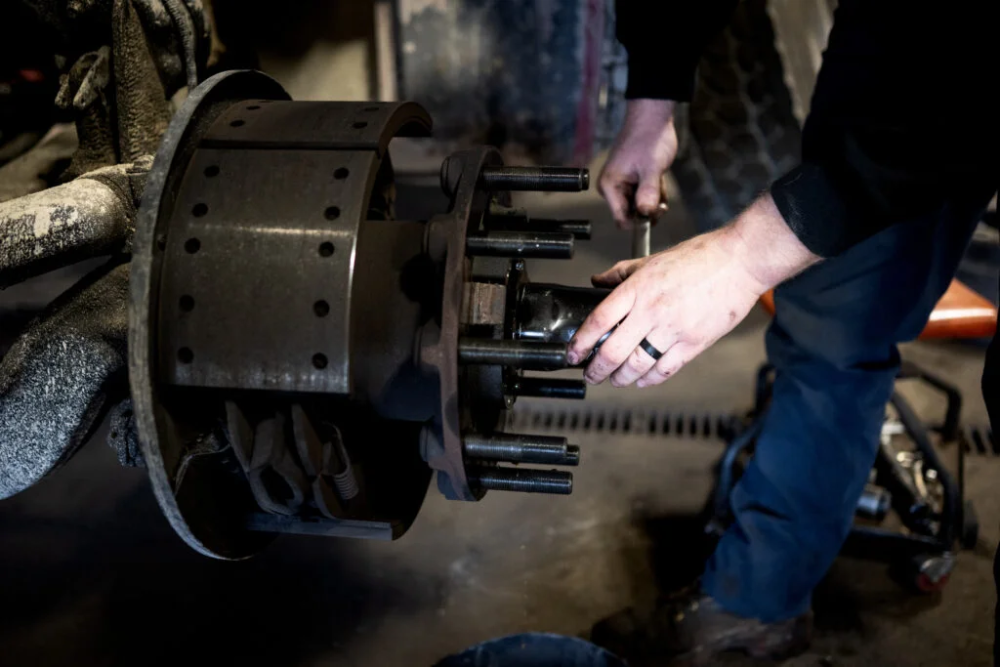
Wheel ends do not get talked about as often as brakes or tires, but they are just as important going into winter. Cold temperatures can make old grease stiffen up, and any existing wear in bearings, races, hub seals, or spindles tends to get worse under those conditions. A wheel end problem that starts as a minor noise in the fall can turn into a bearing failure in the middle of winter.
Check your hubs, wheel seals, and bearing races for signs of wear or leaking. Make sure hub oil or grease levels are correct and topped off before the season starts. This is a quick check that can prevent a much bigger repair once cold weather adds extra stress to these components.
Is Your Driveline Ready For Wisconsin Winter Driving?
Your driveline, the driveshaft, U-joints, slip yokes, and carrier bearings that move power from your transmission to your axles, deserves a look before winter too. A vibration at highway speed or a clunk when pulling away from a stop is usually a sign that something in the driveline needs attention, and those symptoms tend to get worse as temperatures drop and components contract in the cold.
Have your driveline inspected for play in the U-joints and any imbalance in the driveshaft itself. Catching an issue here before winter means a planned repair instead of a driveline failure that leaves your truck stranded on a cold road.
Are Your Tires And Chains Ready For Snow And Ice?
Tires are one of the most obvious winter checks, but it is worth being thorough about it. Check tread depth across all your tires, since worn tread loses traction fast on snow and ice. Look for any sidewall damage or uneven wear that could point to an alignment issue, since that is worth addressing before winter driving adds more stress to already worn tires.
If your routes require chains, make sure you actually have a set in the truck, and that they fit your current tires and are in good condition. Nothing is worse than needing chains on a snowy stretch and finding out they are missing, damaged, or the wrong size.
Is Your Cab Ready To Keep You Safe And Comfortable This Winter?
The last check on this list is about you, not just the truck. A cold cab is more than uncomfortable, it is a safety issue, since a driver who is cold and distracted is not at their sharpest behind the wheel. Check that your heater and defroster are working properly well before the first cold snap, not after you are already relying on them.
Also check your wiper blades and washer fluid, since visibility matters just as much as warmth once snow and road spray start coating your windshield. A cab that keeps you warm, alert, and able to see clearly is just as much a part of winter readiness as anything happening under the truck.
Ready To Get Your Truck Checked Before Winter Hits?
Wisconsin winter trucking rewards the drivers and fleets who prepare early and catches the ones who do not. Working through these seven checks now gives you a real head start on the season instead of a scramble once the snow starts falling. Our Lodi team has the tools and experience to go through your truck system by system and catch what needs attention before winter does it for you. Book your winter readiness check today and head into the season with a truck you can count on.