What Road Salt Does to Your Suspension (And How to Stay Ahead of It)
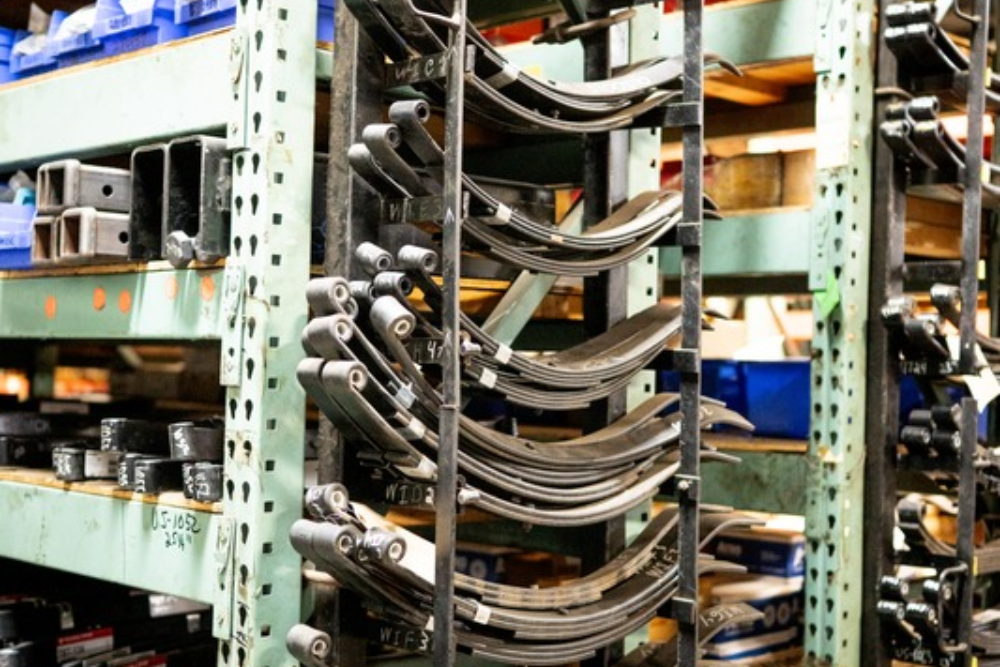
Road salt damage to your suspension is one of the most common problems we see roll through our shop doors every single winter. If you run a truck in Wisconsin, salt is just part of life on the road. It keeps the highways clear and keeps drivers safer, but it comes at a cost to the metal underneath every vehicle that drives over it. That cost is road salt damage to your suspension, and it happens faster than most owner-operators and fleet managers expect.
Here in South Central Wisconsin, our trucks see months of salt exposure every year. Between the Madison and Lodi teams, we work on hundreds of suspensions during and after winter, and we see the same story play out again and again. A small amount of surface rust in October turns into a seized bolt in January and a broken spring by April. It is a slow, steady process, but it is also a predictable one, which means it is preventable.
In this article, we will walk through exactly what salt does to steel and why it is so hard on suspension parts. We will show you what we typically see when trucks come up on the lift each spring, and how a minor issue in the fall can turn into a major repair bill by the time the snow melts. We will also cover the simple habits that go a long way toward protecting your suspension, and when you should be getting things checked out.
By the end of this article, you should have a much better idea of why salt is such a problem for your truck, and what you can actually do about it before it becomes an expensive surprise.
Why Does Road Salt Cause So Much Damage To Truck Suspension?
To understand road salt damage to your suspension, it helps to understand what salt actually does. Salt does not just melt ice. It lowers the freezing point of water, which means water stays liquid on the road, and on your truck, at temperatures where it would normally freeze solid. That liquid brine gets flung up onto your frame, your leaf springs, your U-bolts, and every other piece of steel underneath your truck.
Once that salty water is sitting on bare or lightly coated steel, it speeds up a chemical reaction called oxidation. In plain terms, that is rust. Steel wants to react with oxygen in the air, and salt water makes that reaction happen much faster because it acts like a conductor, moving electrons around and speeding up the corrosion process. Plain water on steel will eventually cause rust. Salt water on steel causes rust in a fraction of the time.
This is why suspension components take such a beating in Wisconsin winters. Leaf springs, shackle pins, U-bolts, and wheel end hardware are all exposed directly to road spray, and they are made of steel that is constantly flexing and moving. Add moisture and salt to metal that is already under stress, and you have a recipe for pitting, weakening, and eventually cracking or breaking.
What Do We See On The Lift Every Spring?
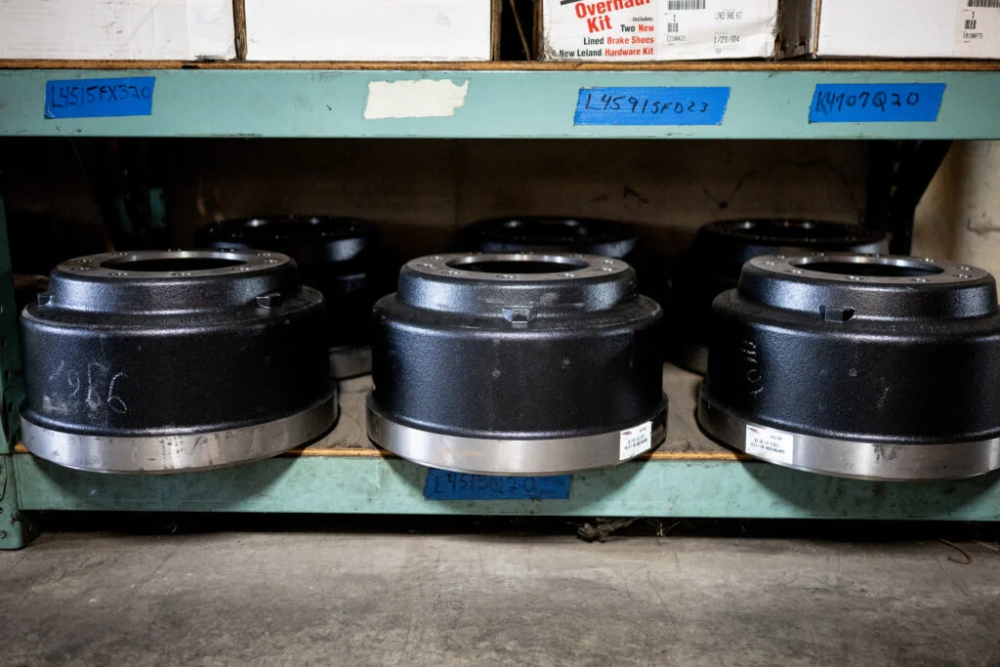
Every spring, our Madison and Lodi teams start pulling trucks up on the lift, and the pattern is almost always the same. Leaf springs that looked fine in the fall show pitting and flaking along the surface. U-bolts that should turn freely with a wrench are rusted solid in place. Shackle pins are seized, which means the spring can no longer move the way it was designed to, putting extra stress on the rest of the suspension.
We also see corrosion working its way into wheel end components, brake hardware, and any exposed fasteners underneath the truck. None of this happens overnight. It builds up slowly, layer by layer, every time salty slush gets kicked up onto the frame and is left to sit.
If you want a clear picture of what this looks like, ask your Madison or Lodi technician to show you the components coming off trucks this time of year. Seeing a heavily pitted leaf spring or a shackle pin that had to be cut off with a torch tends to make the whole conversation about prevention click a lot faster than any explanation can.
Why Does A Small Suspension Problem In October Turn Into A Big Bill By April?
This is the part that catches a lot of truck owners off guard. In October, a suspension issue might just be a little surface rust or a slightly stiff shackle pin. It is easy to look at and think it can wait. The trouble is, that small issue does not stay small once winter sets in.
Every storm, every salted road, and every freeze and thaw cycle adds another layer of corrosion on top of the last one. A pin that was a little stiff in October is often frozen solid by January. A spring with light surface rust in the fall can be deeply pitted and weakened by March. What would have been a quick, inexpensive fix in the fall turns into a full spring replacement, a broken U-bolt, or in worse cases, a spring that snaps while the truck is loaded and moving.
The cost difference is significant. Catching a worn component early usually means a planned repair during a normal shop visit. Waiting until it fails often means an unplanned breakdown, a tow, lost time on the road, and a more expensive repair overall. Downtime for a commercial truck is never cheap, and salt-related suspension failures are one of the most preventable causes of that downtime.
How Can You Protect Your Truck’s Suspension From Salt?
The good news is that road salt damage to your suspension is very manageable if you stay ahead of it. Undercoating is one of the best tools available. A quality undercoating creates a barrier between bare steel and the salt spray your truck picks up all winter long, and it should be reapplied on a regular schedule, not just once and forgotten.
Washing the undercarriage regularly is just as important, especially after a storm or a stretch of heavily salted roads. Rinsing off the frame, springs, and suspension components removes the salt before it has a chance to sit and do its damage. A lot of fleet managers build this into their regular maintenance routine during the winter months, and it pays off by spring.
Regular inspection matters too. Having a technician look over your suspension components on a consistent basis means small issues get caught while they are still small and inexpensive to fix. And when a component is showing early signs of wear, replacing it proactively is almost always cheaper and safer than waiting for it to fail on the road.
When Should You Get Your Suspension Inspected For Salt Damage?
A good rule of thumb is to have your suspension checked before winter really sets in, again sometime in the middle of the season, and once more in early spring once the salt trucks have stopped running. This lines up well with regular DOT inspection cycles, so it is easy to build into your existing maintenance schedule rather than treating it as an extra step.
If you notice stiffness in your suspension, uneven ride height, unusual noises over bumps, or visible rust building up around your springs and hardware, do not wait for your next scheduled inspection. Those are signs that salt has already started doing damage, and getting it looked at sooner rather than later can save you from a much bigger repair down the road.
Ready To Get Your Suspension Checked Before Salt Takes Its Toll?
Wisconsin winters are not going to get any easier on your truck’s suspension, but staying ahead of the damage is easier than most owner-operators and fleet managers expect. Our Lodi team has the tools and experience to catch salt damage early, handle undercoating, and take care of the inspections that keep small problems from turning into big ones. If your truck is due for a look, book your suspension inspection today and let us help you get ahead of the season before it gets ahead of you.